
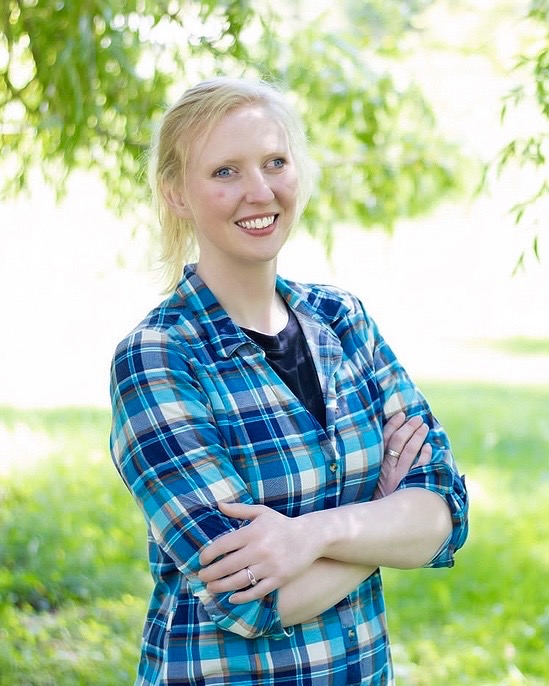
Alexia Unertl
Logistics broker with a major trucking company.
 Democrat
 Suamico

Elected Experience
None
Q&A with the Candidate
Why should voters elect you?
As a working mother raising school-age children, I understand firsthand the challenges many Wisconsin families face. My primary reason for running is to improve healthcare access, affordability, and quality across our state. I support strengthening rural hospitals, expanding healthcare access for low-income residents, lowering the Medicare eligibility age, and reducing uncompensated care costs. Patients should be able to see a doctor in their own community without worrying whether they can afford care or whether their provider is in-network. Adding a public buy-in option to the existing Badgercare program is a way to address these issues in a cost effective manner.
What is the top issue in your district? How would you address it?
One of the most common concerns I hear from residents across District 4 is the rising cost of electricity. Families, farmers, and small businesses are paying more while facing growing concerns about affordability and reliability. I support expanding public power options across Wisconsin. Publicly owned utilities have shown that reliable service can be provided without prioritizing shareholder profits. Communities such as Manitowoc and Oconto Falls, which operate public utilities, often benefit from lower rates, keeping more money in residents' pockets while ensuring investments are made in local infrastructure and service. I also support stronger oversight of utility rate increases and greater accountability for maintaining and modernizing our energy infrastructure. Affordable, reliable energy is not a luxury, it is essential for Wisconsin families, businesses, and communities.
How should Wisconsin government operate differently than in the past?
Wisconsin government should return to making long-term investments in the people and communities that make our state strong. For too long, short-term budget decisions have come at the expense of public education, environmental stewardship, and local services. We need to fully fund our public schools, technical colleges, and universities so every student has access to opportunity regardless of their ZIP code. We should also strengthen support for our state parks, natural resources, and environmental protections that safeguard Wisconsin’s economy and quality of life. Good government means planning for the future, not just the next budget cycle. When we invest in education, infrastructure, and our natural resources, we create stronger communities and a more prosperous Wisconsin for future generations.
What is your favorite fun Wisconsin history fact?
My favorite Wisconsin history fact is that we do not have dinosaur fossils, not because dinosaurs never lived here, but because glaciers changed the landscape. During the Ice Age, massive glaciers scraped away the layers of rock where dinosaur fossils would have been found. Those same glaciers helped carve many of Wisconsin’s most recognizable features, from our lakes and rolling landscapes to the fertile soils that support our farms today. It is a reminder that the forces that shaped Wisconsin tens of thousands of years ago are still visible all around us.

NEW News Lab general election questions
Relevant Experience
I was elected as Brown County vice chair to the Wisconsin Conservation Congress and serve on its Environmental Committee. The Wisconsin Conservation Congress advises the Natural Resources Board and the DNR on responsibly managing Wisconsin's natural resources for present and future generations. As the only statutory body where citizens elect delegates to advise on conservation, they facilitate public input on natural resource policy. I also serve as treasurer on the board of directors for The Art Garage, a local arts nonprofit, where I oversee budgets, work closely with accountants and ensure expenditures align with our financial plan.
Wisconsin has a large budget surplus. What should lawmakers prioritize: tax cuts, increased spending on public services, or something else?
Care does not have to be costly. If elected, I would work to expand access to health care, including a BadgerCare public option. In rural Wisconsin, small businesses and farms often struggle to compete with larger employers when they cannot afford both competitive wages and employer-sponsored health insurance. A public option could reduce that burden while giving workers greater freedom to choose jobs without losing access to affordable care. Rather than short-term tax cuts, I want Wisconsin to invest its surplus in health care and other public services that lower costs, support small businesses and strengthen our workforce for the long term.
What policies are most important to address Wisconsinites’ concerns about cost of living?
Wisconsinites need policies that make it easier to afford everyday life. I support raising the minimum wage to $15 an hour and phasing it to $20, with automatic inflation adjustments so workers do not fall behind. I also support expanding publicly owned and cooperative power options, strengthening oversight of utility rates and investing in reliable infrastructure. Municipal utilities and electric cooperatives can keep more utility revenue in the communities they serve instead of sending it to shareholders. We need energy policies that put ratepayers first, keep electricity affordable and ensure our infrastructure is reliable and resilient.
Housing costs have risen in many Wisconsin communities. What role should state government play in creating more affordable housing?
The state government has a responsibility to help increase the supply of safe, affordable homes while making it easier for people to buy their first home. I support reducing unnecessary barriers to manufactured and prefabricated housing, expanding homebuyer assistance and investing in programs that help build and preserve affordable housing. This includes predatory lending practices, which jeopardize stable housing by making mortgages more expensive. We also need to protect renters from unfair rental practices that artificially drive up rent prices, pricing people out of their neighborhoods and communities.
What policies would best address Wisconsinites’ concerns about property taxes?
The state needs to invest more in the public services that communities rely on every day without forcing local taxpayers to shoulder an ever-growing share of the cost. That means increasing the state’s investment in public schools, fire and emergency services, roads and other essential infrastructure. I also support state-assisted bulk purchasing and cost-sharing programs for volunteer and municipal fire departments, helping small communities afford trucks, protective equipment and lifesaving gear. When the state pays its fair share for essential public services, we can reduce pressure on local property taxpayers while strengthening the services every Wisconsin community depends on.
Funding of public education has been an issue and has been tied to property taxes for years. Schools often rely on local referendums for funding staffing, programs and maintenance. What specific changes would you support to the state’s school funding formula and how would you pay for them?
Wisconsin should fully fund public education so the quality of a child’s education does not depend on their community’s property tax base. I support modernizing the school funding formula with weights for students with disabilities, multilingual learners and districts facing greater economic or geographic challenges. The state should fully fund special education through a sum-sufficient formula and adjust school aid for inflation. I would also increase the state’s share of K-12 funding so schools are less dependent on local property taxes and referendums. Public education is a public investment, and Wisconsin deserves good outcomes.
Should the state direct more funding toward voucher and school-choice programs and what evidence supports your position?
I support freezing new voucher enrollment and ultimately sunsetting the voucher program. Wisconsin’s public schools educate the overwhelming majority of students and are accountable to taxpayers through public meetings, elected school boards, open records and state requirements. Voucher schools receive public dollars but are not subject to the same level of public oversight and transparency. I attended a private parochial school that now participates in the voucher program, giving me a personal perspective on the importance of accountability when public dollars are involved. If elected, I would advocate for public funding that prioritizes strong, fully funded public schools.
What steps can the Legislature take to alleviate court backlogs and address the need for more judges, prosecutors and public defenders?
People have a constitutional right to a speedy trial and to effective legal representation, yet inadequate funding, low reimbursement rates and staffing shortages make it difficult to provide appropriate representation. We need to pay public defenders and other court professionals competitively and build sustainable career paths to recruit and retain experienced attorneys, judges, prosecutors and court staff. We should also invest in technology to reduce backlogs. A fair − and modern − justice system cannot function when people wait months for a lawyer or their day in court or cannot afford bail.
How do you feel about the number of prisons in Wisconsin - should there be more? Less? Why?
Wisconsin should spend less on incarceration and more on keeping people safe, strengthening our workforce and keeping families together. Wisconsin’s use of revocations can contribute to incarceration even when someone has not been convicted of a new crime. DOC data found that 27.2% of revocations reviewed from 2017 through mid-2019 involved noncriminal behavior. We should better distinguish serious new offenses from supervision violations that can be addressed in the community. Expanding treatment, job training, education and reentry support can help people return to work and become productive members of their communities while reducing recidivism and strengthening public safety.
How significant an issue is climate change? What would you advocate for related to climate change if elected?
Climate change is already affecting Wisconsin families, farmers, businesses,and local governments through flooding, severe storms, wildfire smoke, drought and changing seasons. I support setting a stronger goal of 100% renewable energy by 2040 and creating good-paying jobs through the clean energy transition. We also need to prepare our communities for the climate we are already experiencing. That means designing roads, bridges, culverts, stormwater systems and other infrastructure to withstand heavier rainfall and more extreme weather. Climate resilience is a practical investment that protects families, reduces long-term costs for taxpayers and keeps our communities safe and connected.
Wisconsin’s bipartisan support for a PFAS law to hold polluters accountable and the state's lower maximum contaminant levels for drinking water put it out in front nationally on forever-chemical protections. Some say the best way to prevent PFAS contaminations is to outlaw their use, while others hope to reverse the regulations. How important is this issue? What still needs to be addressed? How should remediation costs be raised?
Clean water is crucial to the health and success of Wisconsin. I support emergency plans for contamination of municipal water supplies and private wells, including stronger monitoring, enforceable groundwater standards and reducing unnecessary PFAS use. When contamination occurs, residents need immediate access to safe drinking water, filtration systems or connections to a municipal supply. The state should help identify contamination and expedite cleanup while requiring responsible companies to pay remediation and replacement-water costs. None of this is possible without fully funding the DNR and giving it the resources to protect Wisconsin’s water.
What do you think of the implementation process for the new Medicaid work requirements so far in Wisconsin? What has worked? What could be improved?
I am concerned these requirements will create unnecessary barriers to health care, particularly in rural communities where transportation, child care, limited job opportunities and health care access are already difficult. The danger is that someone who is sick, disabled, unhoused, caring for a vulnerable person or otherwise struggling could lose coverage because they cannot navigate the paperwork, prove an exemption or document their circumstances. I worry that those with significant health limitations can be especially vulnerable, including residents who have declining health or physically demanding jobs but are not yet eligible for Medicare. Wisconsinites shouldn’t lose health care because of administrative bureaucracy.
What do you think about funding the 988 crisis line long-term at the state level?
On the other end of the 988 hotline is a person willing to answer when someone feels like they have nowhere else to turn. We cannot put a price on that moment. If the federal government will not reliably fund this lifeline, Wisconsin must. We should also invest in mental health support systems that help people before they reach a crisis. If you feel like you can not go on, please call or text 988. If no one else has told you today, we are better because you’re here.