
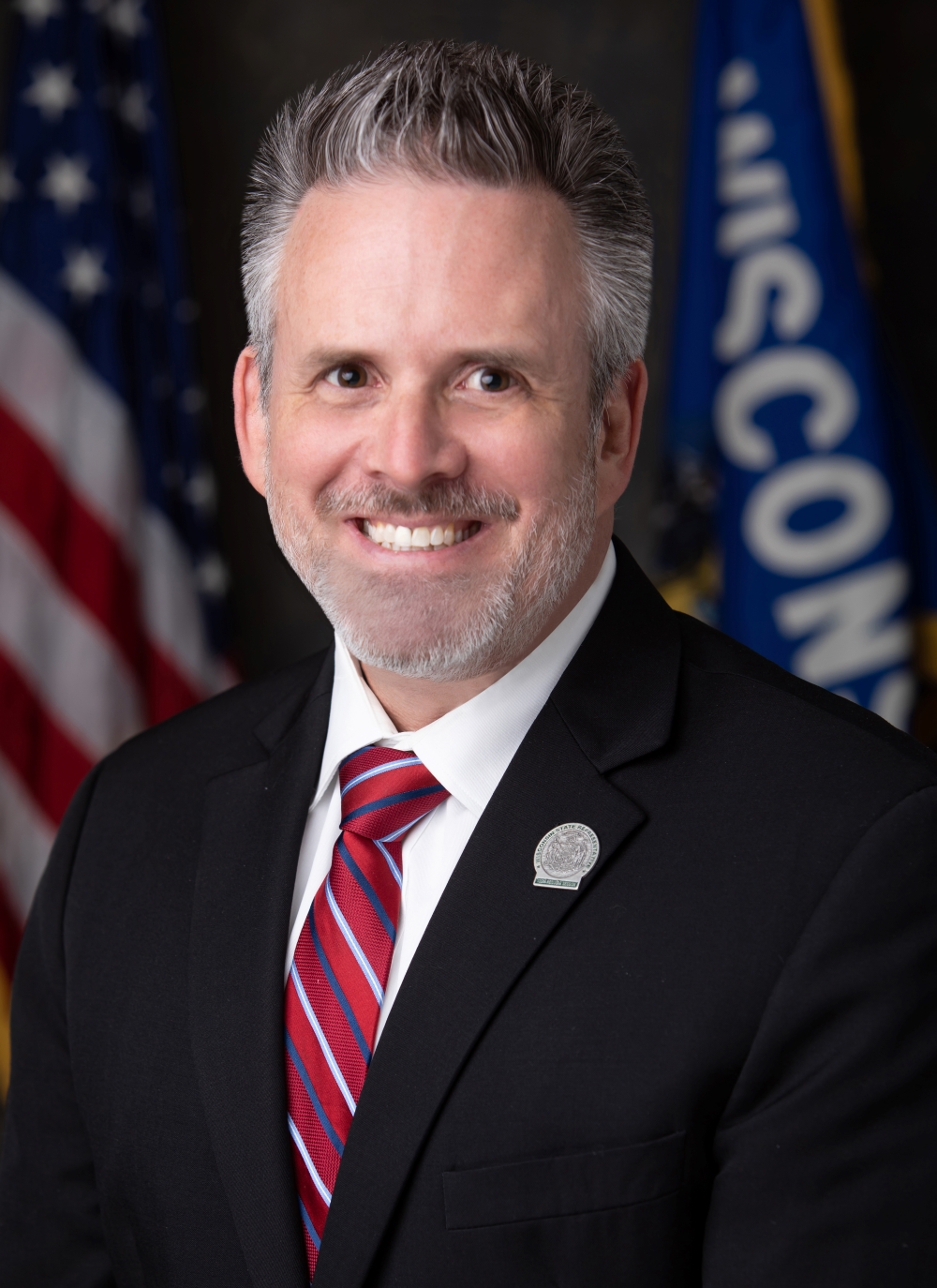
David Steffen
State representative
 Republican
 Howard



Elected Experience
Wisconsin State Assembly (2015-present); Village of Howard Board (2007-2015); Brown County Board (2012-2015)
Q&A with the Candidate
Why should voters elect you?
No response
What is the top issue in your district? How would you address it?
No response
How should Wisconsin government operate differently than in the past?
No response
What is your favorite fun Wisconsin history fact?
No response

NEW News Lab general election questions
Relevant Experience
State representative for 12 years, Brown County supervisor for three years and Howard village trustee for seven years.
Wisconsin has a large budget surplus. What should lawmakers prioritize: tax cuts, increased spending on public services, or something else?
The state government over-charged its residents $3 billion. To assist with rising costs of everyday living, the vast majority of this budget surplus should be returned to the people, not spent on expanding government. Sadly, a bipartisan agreement with Gov. Evers was defeated by the Democrats this spring.
What policies are most important to address Wisconsinites’ concerns about cost of living?
Ensuring residents retain more of their paycheck and retirement income is the best way for families and seniors to address rising costs. This is why I authored Wisconsin’s Tax Free Retirement legislation that became law last year, and supported direct property tax relief rebate checks this spring.
Housing costs have risen in many Wisconsin communities. What role should state government play in creating more affordable housing?
The cost of housing is largely controlled by the amount of local, state and federal regulation on new home construction. All levels of government need to work together to reduce the barriers and price tag of new construction. Without these efforts, the demand will continue to outpace the supply, thereby driving up the cost.
What policies would best address Wisconsinites’ concerns about property taxes?
Property taxes will continue to rise as long as the demand for housing outpaces the supply of housing. Until local communities and state government work more closely to address the housing crisis, the upward pressure on property taxes will remain. Last session, the Legislature, with the support of Gov. Evers, increased the amount of local funding to Brown County by 77% and to Oconto County by 99%. This was the largest incase in local government aid in state history. Yet, property taxes continue to rise.
Funding of public education has been an issue and has been tied to property taxes for years. Schools often rely on local referendums for funding staffing, programs and maintenance. What specific changes would you support to the state’s school funding formula and how would you pay for them?
Public school funding remains the largest part of the state budget. I believe the cost-share of two-thirds funding by the state and one-third by local taxes is a reasonable method of handling the financial load. As it relates to “fixing” the funding formula, it has always shown to create a new set of winners and new set of losers.
Should the state direct more funding toward voucher and school-choice programs and what evidence supports your position?
Absolutely. While only 2% of the state’s K-12 education funding goes to these schools, they educate 3.4% of the state’s students. This means it costs taxpayers less and allows parents to have more control over their child’s education.
What steps can the Legislature take to alleviate court backlogs and address the need for more judges, prosecutors and public defenders?
I am the lead author of Wisconsin’s Justice for All Act, which is a bipartisan effort to address this issue. We don’t just need more judges, but also more prosecutors, public defenders to handle the thousands of cases that remain in a backlog status. These backlogs are creating multi-year delays in cases making their way through the court system, thereby denying justice to victims and the accused alike.
How do you feel about the number of prisons in Wisconsin - should there be more? Less? Why?
We have a record number of prisoners in our system, which means we need a record number of prison beds. This spring, we came very close to developing a bipartisan solution to this situation, which included the closure of Green Bay Correctional Institution. I am confident this issue will be addressed in the next state budget.
How significant an issue is climate change? What would you advocate for related to climate change if elected?
I focus my time and ability on environmental efforts that are within our ability to make a difference. I’ve been a lifelong advocate for clean water, clean air and clean lands. I will continue that commitment going forward.
Wisconsin’s bipartisan support for a PFAS law to hold polluters accountable and the state's lower maximum contaminant levels for drinking water put it out in front nationally on forever-chemical protections. Some say the best way to prevent PFAS contaminations is to outlaw their use, while others hope to reverse the regulations. How important is this issue? What still needs to be addressed? How should remediation costs be raised?
I support the bipartisan successes we’ve had over the last four years to address the PFAS issue in Wisconsin. I look forward to supporting additional, similar efforts next session.
What do you think of the implementation process for the new Medicaid work requirements so far in Wisconsin? What has worked? What could be improved?
Requiring able-bodied, able-minded individuals of working age to either be working or looking for work is an important requirement that I support.
What do you think about funding the 988 crisis line long-term at the state level?
Like all government programs, 998 crisis line needs to be routinely evaluated for its value in relation to the cost. All too often in government, we create a program without properly evaluating or adjusting to current needs, methods and technology.