
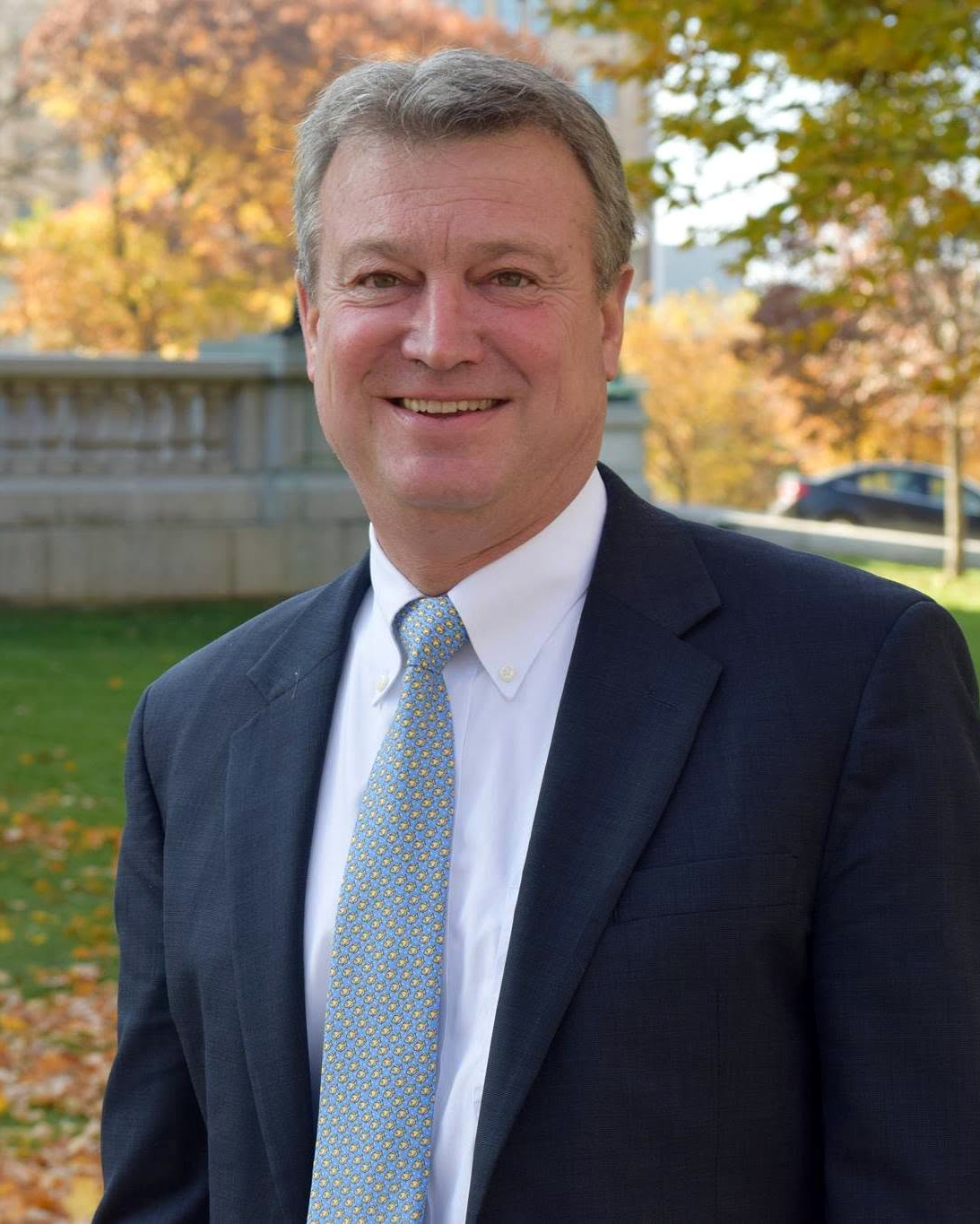
Joel Kitchens
State representative
 Republican
 Sturgeon Bay



Elected Experience
Wisconsin State Assembly (2014-present); Sturgeon Bay Board of Education (2000–2014)
Q&A with the Candidate
Why should voters elect you?
No response
What is the top issue in your district? How would you address it?
No response
How should Wisconsin government operate differently than in the past?
No response
What is your favorite fun Wisconsin history fact?
No response

NEW News Lab general election questions
Relevant Experience
Kitchens has served as 1st Assembly District representative for 12 years. Previously, he owned a large animal veterinary practice in Door County. He was a member of the Sturgeon Bay School Board for 14 years, serving for 12 years as president. He serves on the Door County Medical Center’s board of directors.
Wisconsin has a large budget surplus. What should lawmakers prioritize: tax cuts, increased spending on public services, or something else?
At the end of this session, we negotiated a bill with the governor that would have addressed the surplus. It passed through the Assembly, but was opposed by every Democrat in the Senate and failed. It would have returned a portion of the surplus to the taxpayers, reduced property taxes and provided more money to our schools by increasing the Special Education reimbursement. Additionally, it would have eliminated tax on tips and overtime. In the end, party politics got in the way of implementing good policy. I hope that we can return to this effort of finding common ground going forward.
What policies are most important to address Wisconsinites’ concerns about cost of living?
We obviously have a limited role in the overall cost of living in the state Legislature. The most important thing we can do in Wisconsin is to create a friendly business climate and keep the tax burden as low as possible for our citizens. There is a net migration of both individuals and businesses into states with low tax burdens and we are seeing movement into Wisconsin from our high-tax neighbors.
Housing costs have risen in many Wisconsin communities. What role should state government play in creating more affordable housing?
There is a significant shortage of new housing units both in Wisconsin and across the nation. The Legislature has no control over interest rates or the cost of materials, but we can make sure that government is making it easier for developers and not adding to the problem. I co-authored a package of bills last session that helped reduce the red tape that adds to the cost of new housing units and gave local governments new tools to encourage development. We also must continue to work to keep property taxes down, as they add significantly to the cost of housing.
What policies would best address Wisconsinites’ concerns about property taxes?
The revenue limits imposed on local governments and school districts have significantly reduced property taxes in Wisconsin. If local governmental bodies feel that they need more revenue, they must make their case to the taxpayers. In the Legislature, we must keep limits in place, while always assuring that the aid provided by the state is adequate. Last session, we significantly increased our shared revenue payments to local government, so that they will be less reliant on property taxes. Our surplus deal with the governor certainly would have provided welcomed property tax relief to our citizens.
Funding of public education has been an issue and has been tied to property taxes for years. Schools often rely on local referendums for funding staffing, programs and maintenance. What specific changes would you support to the state’s school funding formula and how would you pay for them?
It is popular to simply say that the funding formula is broken, but the root problem of the financial problems is that most of our schools are facing declining enrollments. The formula bases school revenue on per-pupil spending. Because fixed costs do not decline as student counts drop, it is nearly impossible to educate students as efficiently as enrollments fall. I will continue to fight for an adjustment to the formula, so that fixed costs are exempted from the reductions in per-pupil spending that schools receive. However, districts with declining enrollments will need to continue to find new efficiencies.
Should the state direct more funding toward voucher and school-choice programs and what evidence supports your position?
For most kids, public schools provide the best opportunity for success, but for some students, a private school will be the best option. I have met dozens of successful young people, especially in Milwaukee, who greatly benefited from the choice program. While it is frequently blamed for pulling money away from public schools, the statewide program draws only 1% to 2% of the student population and the financial impact is small. Rather than focusing on denying opportunities to kids and turning this into a competition, my goal is to assure that we focus on accountability in both systems.
What steps can the Legislature take to alleviate court backlogs and address the need for more judges, prosecutors and public defenders?
The Legislature simply has no choice but to invest more in our court systems. Our constitution guarantees the right to a speedy trial. Keeping people in jail while they await trial places a substantial financial burden on our counties and municipalities. I co-authored legislation to provide the funding for more judges and assistant attorneys, as well as to increase pay for public defenders. We need to continue to work toward efficiencies through technology, but this is an ongoing problem that we must address.
How do you feel about the number of prisons in Wisconsin - should there be more? Less? Why?
While we must always look at alternatives to incarceration for non-violent offenders, it is not realistic to think that we can substantially reduce the number of inmates in our system. We can, however, operate our prisons better and more efficiently. The Green Bay Correctional Institution, for instance, should have been closed years ago. We can build a new facility that will be safer for inmates and guards, while providing better rehabilitation opportunities. Technology would allow it to be operated with far fewer employees, so it would pay for itself quickly.
How significant an issue is climate change? What would you advocate for related to climate change if elected?
I believe that climate change is real, but the ability of a small state like Wisconsin to impact it is negligible and we must be careful not to implement policies that put our state economy at a disadvantage. Technologies like digesters can be cost effective while being environmentally responsible, but many overly burdensome requirements on businesses will simply push those companies to relocate to another state or country.
Wisconsin’s bipartisan support for a PFAS law to hold polluters accountable and the state's lower maximum contaminant levels for drinking water put it out in front nationally on forever-chemical protections. Some say the best way to prevent PFAS contaminations is to outlaw their use, while others hope to reverse the regulations. How important is this issue? What still needs to be addressed? How should remediation costs be raised?
PFAS contamination is a significant issue in certain areas of our state. I was happy to co-author our legislation that held the contaminators responsible, while providing relief to affected innocent citizens. There will undoubtedly be more contaminants that are currently unknown to us that will emerge, and I hope that the federal government will take a stronger role in addressing them. We are not adequately equipped at the state level to determine safe levels.
What do you think of the implementation process for the new Medicaid work requirements so far in Wisconsin? What has worked? What could be improved?
While I generally support work requirements for those receiving public benefits, this was a federal decision that did not involve us. Our Department of Health Services is in the process of implementing the new requirements to assure that no one is deprived of health care and everyone understands what is expected of them.
What do you think about funding the 988 crisis line long-term at the state level?
I support state funding of the 988 Suicide Prevention Lifeline. I co-authored Assembly Bill 303, which would provide intervention services to those who contact the hotline. The bill passed through committees in both houses unanimously, but did not receive floor votes. We intend to bring it back next session.