
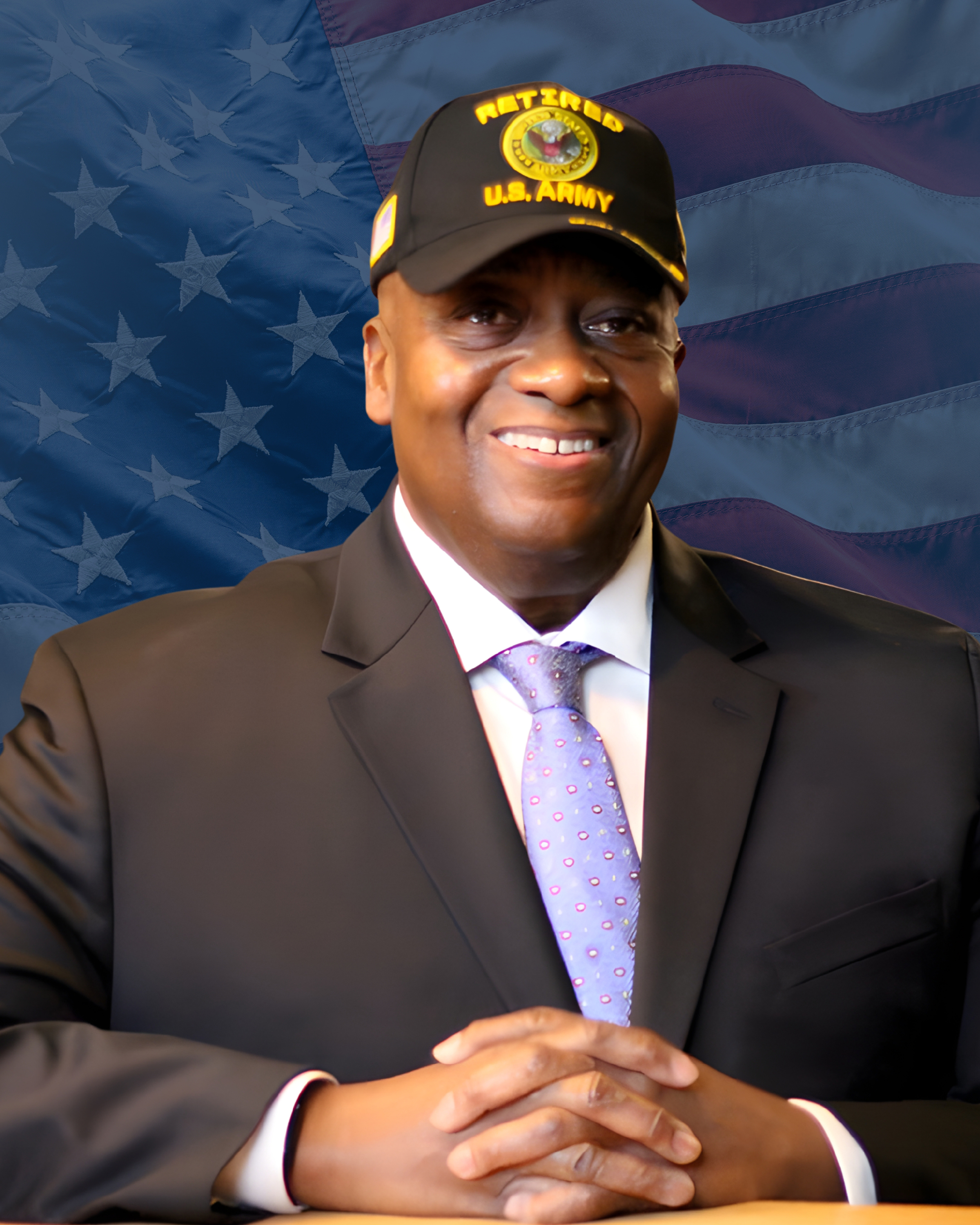
Rick Crosson
Retired transportation/logistics executive; retired U.S. Army Lt. Col.
 Democrat
 Green Bay



Elected Experience
None
Q&A with the Candidate
Why should voters send you to congress?
I have spent my life solving hard problems and bringing people together to do it. Twenty years in the Army taught me how to lead under pressure, build coalitions at all levels, including nationally and internationally, and get results when the stakes are real. I carried that into running large operations in business. But the part I am proudest of is simpler: I make a point of knowing people, finding common ground, and listening before I talk. That is what is missing in Washington right now. I am not running to score points. I am running to represent every corner of this district, because I believe we get further working together.
What is the top issue in your district? How would you address it?
The top issue is the cost of living. Families here are getting squeezed from every direction with high costs of groceries, gas and diesel, housing, health insurance, and a farm economy thrown into chaos by tariffs and bad policy. People are working hard and still falling behind. Here is what I would do. Push to lower everyday costs by going after the price-gouging and consolidation driving them up. Protect the farm economy from trade decisions made without rural Wisconsin in mind. Support funding for the health coverage families and rural hospitals depend on, while pushing for universal healthcare. And bring the same problem-solving I used in logistics: find where the system is broken, fix the choke point, and measure whether it actually helped people.
What expertise would you bring into congress? How would it help your district?
I solve problems for a living. In the Army and in business, my job was to take something complicated and broken and make it work, on time and on budget, with real consequences if I got it wrong. I have negotiated across borders, run large organizations, and managed budgets where every dollar was accountable to someone. This helps the district because most of what is failing people right now is fixable: supply chains, costs, access to care, a VA that buries veterans in paperwork, common sense policy choices. I see those as logistics problems, and logistics is what I do. I will not just give speeches about them. I will work the problem until it is solved.
Should Congress exert more oversight over the president? Why or why not?
Yes. The Constitution built three branches to keep each other in check, and Congress has been handing its power away for years. That is not how this is supposed to work. Congress holds the authority over the budget and the power to declare war, and I will never vote to give those away. Right now presidential overreach is hitting levels we have not seen, and it is on Congress and the courts to do their jobs and rein it in. Oversight is not partisan. It is the job. I would take that job seriously.
What is your favorite fun Wisconsin history fact?
The name “Badger” is actually originally attributed to thousands of lead miners who lived in horizontal dugout burrows during harsh winters in the 1820s and 1830s.

NEW News Lab general election questions
Relevant Experience
20 years as a U.S. Army officer, retiring as a lieutenant colonel and Master Army Aviator. Mexico Liaison Officer for U.S. Army Forces Command. Chief operating officer of transportation and logistics companies, retiring from deBoer Transportation. Green Bay School Board. Brown County Library Board. UW-Stevens Point Business Advisory Council. Master of public administration, Golden Gate University. B.S., Seattle University. Army Command and General Staff College.
Would you agree to hold in-person town halls if elected? Why or why not?
Yes. I’m already doing town halls across the district. These will continue with regularity when I become the representative. It is part of being accountable to the people.
What policies are most important to address Americans' concerns about cost of living?
Affordability starts with the things Congress actually controls. End a war Congress never authorized, which is draining money we need at home. Reclaim the power of the purse, war powers, and tariff authority from the executive branch, so trade decisions stop being made without us. Raise the minimum wage to a living wage and index it so it keeps pace with costs. Restore the food and housing assistance that was cut. Bring down health premiums. Go after the price gouging and consolidation driving everyday prices up. Then measure whether it worked, and report those numbers publicly.
What changes, if any, should Congress make to federal tax policy?
I’m for closing every tax loophole favoring millionaires, billionaires, and mega corporations, and build a tax code that reaches wealth, not just wages. The wealthiest take no paycheck. End “buy, borrow, die” leveraging of assets, borrowing against them for cash without triggering a taxable sale, and passing them down at a stepped-up value. We need a minimum tax on wealth at the top, no more stepped-up basis at death, and large loans against appreciated assets treated as income. Lift the Social Security wage cap, so income above $184,500 pays in like every dollar below it.
What should Congress do to prepare workers and the economy for changes due to artificial intelligence and automation?
Automation is not new to me. I ran companies that automated work. Done right, it makes the job better. Done carelessly, the cost lands on the worker. Congress should start with a clear, honest look at where AI is replacing work and where it is not, because the hype runs ahead of the facts in both directions. Then act. Fund retraining through our technical colleges and apprenticeships, tied to real jobs. Don’t allow the tax code to make replacing a worker cheaper than training one. Make sure data centers deliver the jobs and pay the power costs they promise.
What actions would you take, if any, regarding the reduction in federal funding for special education, school meals and Head Start?
I served on the Green Bay School Board. I gained a unique perspective regarding the rise in special educational needs of our student population. We need to fully fund all federal and state special education programs. This is a critical investment. I will fight for that.
What steps can Congress take to alleviate court backlogs in Wisconsin?
Most of Wisconsin's backlog is a state responsibility, so let me be specific about where Congress actually has leverage. Expand the number of federal district judges via legislation. Fund the John R. Justice program, which repays student loans for public defenders and prosecutors, because Wisconsin's backlog is driven by an attorney shortage more than anything else. Expand federal justice assistance grants so counties can add capacity on their own terms. And de-schedule marijuana, which clears federal dockets.
What federal policies would you prioritize to help address concerns about drug trafficking, overdoses and strains on local law enforcement?
My last role as an Army lieutenant colonel was counter drug operations along our Southwest border. I know the realities. Our resources should be focused on the sources of narcotics trafficking. We should work with our neighboring countries to address the root causes of narco-terrorism. We should also focus here at home on the causes of our illegal drug demands as well as improving our support resources for drug and alcohol abuse.
How significant an issue is climate change? What would you advocate for related to climate change if elected?
Climate change is real and significant. This is a subject that has been assessed and studied expansively over time. We need to take an unbiased, objective look at the data and factors affecting our climate, and resolve to do all that is humanly possible to address the problems. The warnings have been sounding for years. It’s time for the government to do whatever it can to mitigate climate change before it's too late.
Wisconsin’s bipartisan support for a PFAS law to hold polluters accountable and the state's lower maximum contaminant levels for drinking water put it out in front nationally on forever-chemical protections. Some say the best way to prevent PFAS contaminations is to outlaw their use, while others hope to reverse the regulations. How important is this issue? What still needs to be addressed? How should remediation costs be raised?
This is an unresolved, critical issue! Areas like Marinette and Peshtigo are experiencing high levels of PFAS contamination. The recent fines levied against the perpetrators fell far short of a remedy. There are still the unresolved issues and seeming conflict between the need to use biosolids as fertilizer. Remediation costs should employ a formula commensurate with the scope of damages.
Non-citizen immigrants make up a significant portion of the home health and nursing home workforce. What do you think about federal immigration policy, especially as it relates to the immigrant workforce among Wisconsin’s home health aides and nursing home staff?
Our immigration laws are outdated and severely limiting for those seeking a pathway to citizenship and for those seeking work opportunities. Congress needs to enact reformed legislation to resolve these problems. This issue is among my priority initiatives.