
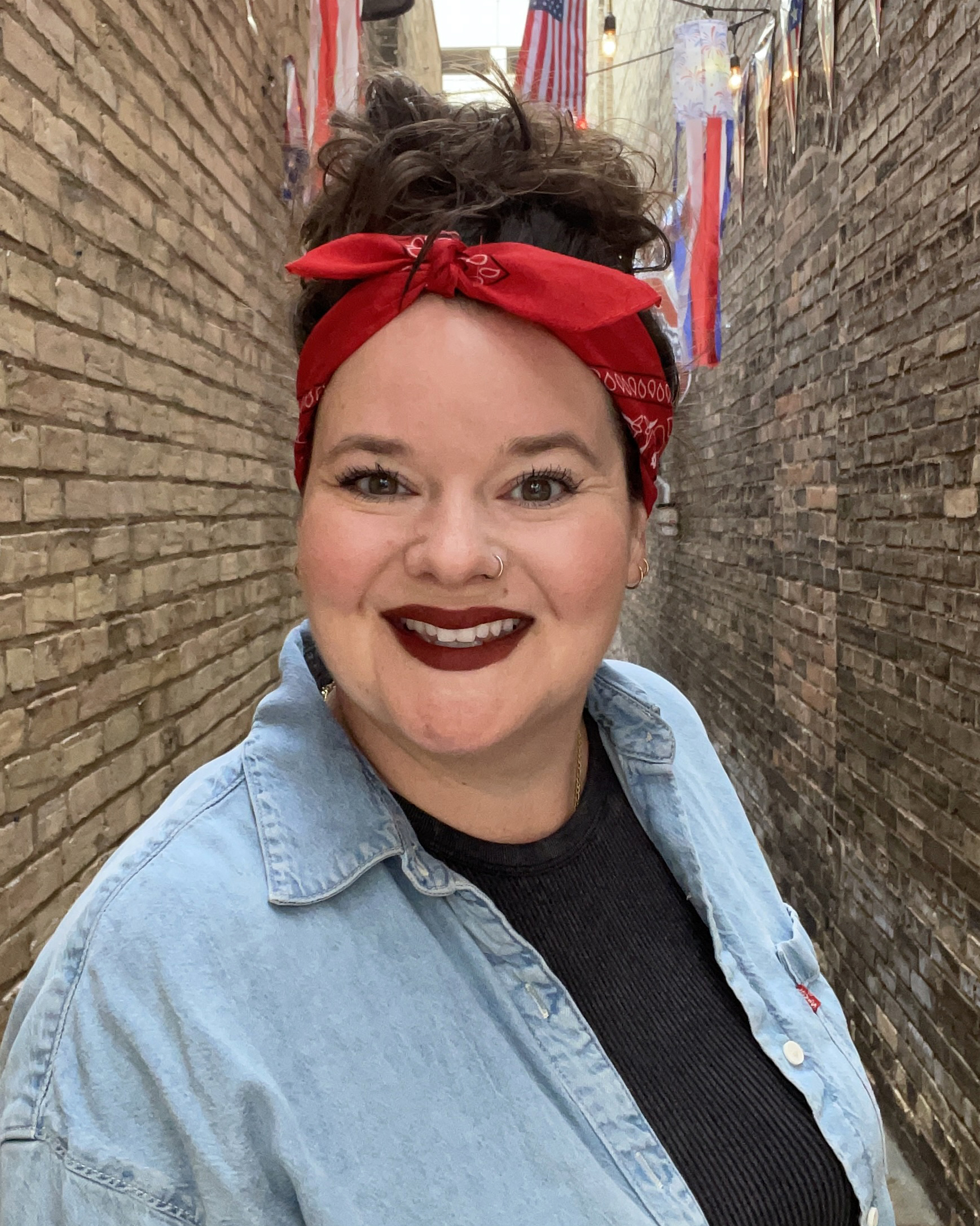
Rachael Dowling
Drone pilot
 Menasha



Elected Experience
Winnebago County Board (2022-present)
Q&A with the Candidate
Why should voters elect you?
For too long, we have watched the cost of everyday life rise while too many government decisions happen without enough public input, accountability, or common sense. I believe government should listen first, act responsibly, and reflect who it serves. That means standing up for working families, seniors, homeowners, small businesses, and everyone trying to build a stable life in our community. I’m not running to protect a political party. I’m running to protect the people who live here.
What is the top issue in your district? How would you address it?
The top issue in my community is the threat of data centers. As data centers and other large-scale developments expand, we must ask serious questions before moving forward:
• How much water will they use?
• How much electricity will they consume?
• Who pays when demand increases?
• What safeguards are in place to protect residents from higher utility bills?
Growth should not come at the expense of local families, small businesses, or our natural resources.
How should Wisconsin government operate differently than in the past?
Wisconsin government should operate with more transparency by making single-issue bills the standard. The failed $1.8 billion tax relief and school funding proposal is a good example. It combined school aid, special education funding, rebate checks, property tax cuts, and tax changes for tips and overtime into one package. Those issues deserved separate votes. When too much is bundled together, legislators are forced into all-or-nothing decisions, and voters lose clarity and the deserved relief to our communities. Single-issue bills create clear votes, stronger accountability, and better government.
What is your favorite fun Wisconsin history fact?
Wisconsin packs more dairy cows into each square mile than any other state.

NEW News Lab general election questions
Relevant Experience
A small business owner and three-term Winnebago County Board supervisor. An entrepreneur since 2007, her experience spans photography, real estate, FAA-certified drone operations, roofing and residential cleaning. Her public service began on a local parks board and grew into county government, where she has worked on government transparency, housing, taxes, infrastructure and community issues. As a business owner, she brings hands-on experience managing budgets, creating jobs, serving customers and finding practical solutions when resources are limited.
Wisconsin has a large budget surplus. What should lawmakers prioritize: tax cuts, increased spending on public services, or something else?
My first preference is returning surplus dollars to Wisconsin taxpayers. But our current representatives have already chosen not to put that money directly back into our hands. If the state is going to spend it, I will work to ensure those dollars make their way back to our local communities. Communities like Neenah, Menasha and Fox Crossing could put millions of dollars toward roads, sidewalks, infrastructure and other improvements residents use every day. Wisconsin taxpayers created this surplus. The money should benefit the communities and people who paid it.
What policies are most important to address Wisconsinites’ concerns about cost of living?
Wisconsin needs practical solutions that lower everyday costs. We Energies customers saw new rates take effect in January, and the utility is already asking the Public Service Commission for additional increases in 2027 and 2028. The PSC must remain an impartial regulator focused on the public interest and ensuring families aren't unfairly burdened by rising energy costs. We also need relief at the pump. I support eliminating Wisconsin's minimum markup requirement on gasoline so competition can help lower fuel prices. Government should be looking for ways to leave more money in families' pockets, not continually asking for more.
Housing costs have risen in many Wisconsin communities. What role should state government play in creating more affordable housing?
State government should help communities create more housing choices. Neenah, Menasha and Fox Crossing have limited land, so we need to use it thoughtfully. One idea I’m exploring is Heritage Homes: smaller, owner-occupied homes on smaller lots. Imagine 3.5 acres with one $750,000 home. Now imagine 32 Heritage Homes valued at just $100,000 each. That’s $3.2 million in taxable value on the same land, while creating 32 opportunities for homeownership. The state can help remove unnecessary barriers, support infrastructure and give local communities more tools to build creatively.
What policies would best address Wisconsinites’ concerns about property taxes?
Wisconsin homeowners are being squeezed by rising property taxes, and simply asking them for more isn't sustainable. Government needs to approach its budget the same way families do: live within our means. I also want more state dollars returned to local communities for roads and infrastructure instead of continually shifting those costs onto property taxpayers. People understand that services cost money, but when their property tax bill keeps increasing while the road in front of their house keeps deteriorating, they're right to ask: What am I getting for my money?
Funding of public education has been an issue and has been tied to property taxes for years. Schools often rely on local referendums for funding staffing, programs and maintenance. What specific changes would you support to the state’s school funding formula and how would you pay for them?
Wisconsin should fund the basics of education more reliably at the state level instead of continually pushing those costs onto local property taxpayers through referendums. I would prioritize state funding for core classroom needs, including teachers, reading instruction, books and educational materials, while protecting specialized services for students who need additional support. I want the funding formula to better reflect what it actually costs to educate students rather than relying on a district's ability to pass a referendum. Education should be treated as a core responsibility in our existing state budget before expanding spending.
Should the state direct more funding toward voucher and school-choice programs and what evidence supports your position?
School choice can create healthy competition between public and private schools. However, I would not expand taxpayer funding without stronger accountability. Wisconsin requires income eligibility for students entering the Choice program, but continuing students are not required to demonstrate income eligibility again. We need annual income verification so taxpayer-funded assistance remains focused on families who qualify for financial support. Parents should have educational choices, but when tax dollars are involved, we also have a responsibility to ensure those dollars are being used as intended and that participating schools are accountable for the education taxpayers are funding.
What steps can the Legislature take to alleviate court backlogs and address the need for more judges, prosecutors and public defenders?
Wisconsin should prioritize limited court resources toward violent crimes, victims and cases that genuinely threaten public safety. We should examine whether low-level, nonviolent offenses, including simple possession, can be resolved through citations, fines or other alternatives rather than lengthy prosecution and incarceration. That would reduce caseloads for judges, prosecutors and public defenders while also reducing pressure on overcrowded jails. We should also ensure courts are adequately staffed where backlogs demonstrate a need. Taxpayer dollars and limited courtroom time should be focused on the cases where prosecution and incarceration are truly necessary.
How do you feel about the number of prisons in Wisconsin - should there be more? Less? Why?
Wisconsin does not need more prisons. We need to better manage who we incarcerate and invest in programs that reduce repeat offenses. On the Winnebago County Board, I voted to support STAR, Sobriety Treatment Assisted Recovery, which begins working with individuals in jail and continues supporting recovery as they reenter the community. Programs like STAR address underlying problems while helping people return to stable, productive lives. Violent offenders and those who threaten public safety should be held accountable, but for nonviolent offenders, effective treatment, job opportunities and reentry support can improve public safety while reducing incarceration costs for taxpayers.
How significant an issue is climate change? What would you advocate for related to climate change if elected?
Climate change and environmental stewardship are significant issues. Our response should include the environmental decisions being made in our own communities. As mega-scale data centers, and large solar developments expand across Wisconsin, we need stronger guardrails protecting farmland and natural resources. Before approving these developments, we should know how much water and electricity they require, how they affect our landscape and who pays for increased infrastructure and energy demand. I support responsible development, greater transparency and environmental safeguards that protect Wisconsin's water, farmland and families. Growth and innovation should not come at the expense of the communities hosting them.
Wisconsin’s bipartisan support for a PFAS law to hold polluters accountable and the state's lower maximum contaminant levels for drinking water put it out in front nationally on forever-chemical protections. Some say the best way to prevent PFAS contaminations is to outlaw their use, while others hope to reverse the regulations. How important is this issue? What still needs to be addressed? How should remediation costs be raised?
PFAS contamination is extremely important because prevention is far less costly than trying to clean up contamination after it reaches our water and soil. I support phasing out uses of PFAS and requiring safer alternatives when available. Wisconsin must also continue testing, monitoring and identifying contamination before it spreads. Most importantly, taxpayers and local water customers should not be left paying for someone else's pollution. Companies responsible for PFAS contamination should bear the cost of cleanup and remediation. We need legislators willing to put Wisconsin’s clean drinking water and our natural resources ahead of pressure from special interests.
What do you think of the implementation process for the new Medicaid work requirements so far in Wisconsin? What has worked? What could be improved?
Medicaid work requirements have not taken effect yet, so it is too early to determine what has worked. I believe the implementation offers flexibility by allowing people to qualify through employment, education, job training or volunteering, while providing exemptions for people who cannot reasonably participate. As implementation begins, Wisconsin should make the process simple and ensure people don't lose health coverage because of confusing paperwork or unnecessary hoops to jump through. I support encouraging people who are able to work, learn new skills or contribute to their communities while maintaining a safety net for Wisconsinites who genuinely need it.
What do you think about funding the 988 crisis line long-term at the state level?
The 988 crisis line provides an important service, but I question why Wisconsin taxpayers should send money to the federal government only to have it administered and granted back to us to provide services here at home. Every additional layer of government adds administrative costs and requirements. I would support examining whether Wisconsin can sustainably fund and operate its crisis response more directly, while maintaining appropriate protections and standards for vulnerable callers. If we can provide the same or better service closer to home, with greater accountability and fewer bureaucratic layers, that is the direction I would prefer.