
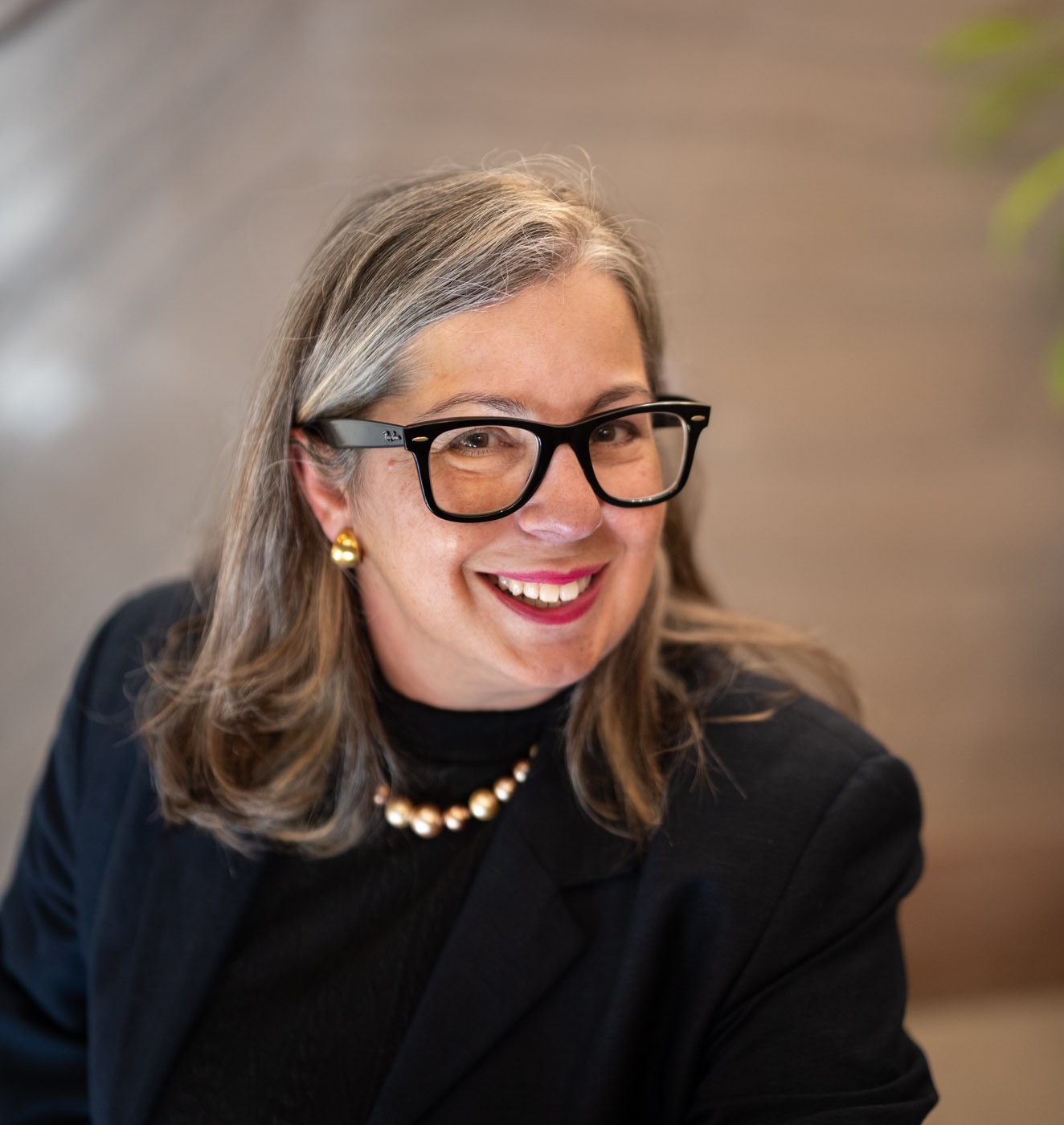
Lori Palmeri
State representative
 Democrat
 Oshkosh



Elected Experience
Wisconsin State Assembly (2023-present); Oshkosh Common Council (2016-2023); Oshkosh mayor (2019-2023)
Q&A with the Candidate
Why should voters elect you?
I have served the Oshkosh area reliably, responsibly and continue to focus on cost of living matters for the community.
What is the top issue in your district? How would you address it?
Cost of public education, housing and healthcare.
How should Wisconsin government operate differently than in the past?
Legislature, both houses, should work more towards making basic necessities and quality of life accessible and affordable for all of Wisconsin.
What is your favorite fun Wisconsin history fact?
Lulu Shaw was Wisconsin’s first female mayor, elected in 1923 for Crandon, WI.

NEW News Lab general election questions
Relevant Experience
State representative for Assembly District 54; six years on Oshkosh Common Council; two terms as Oshkosh Mayor.
Wisconsin has a large budget surplus. What should lawmakers prioritize: tax cuts, increased spending on public services, or something else?
The surplus will be encumbered by federal cuts to state programs. The budget process should prioritize making school and municipal funding whole, while also considering the enormous property tax pressure placed on Wisconsin homeowners.
What policies are most important to address Wisconsinites’ concerns about cost of living?
Public school funding formulas, housing costs, municipal shared revenue and services programs, health care and child care, along with workers rights and living wages.
Housing costs have risen in many Wisconsin communities. What role should state government play in creating more affordable housing?
Promoting and easing infill development, smaller lot sizes, density, transit oriented development, building code revisions. Further, with recent natural disasters, emergency housing for short- and long-term recovery and resilience.
What policies would best address Wisconsinites’ concerns about property taxes?
Wisconsin is overreliant on property taxes, and we should give careful consideration to alternatives for funding basic services. Public school funding is but one example of changes, along with shared revenue and municipal services programs.
Funding of public education has been an issue and has been tied to property taxes for years. Schools often rely on local referendums for funding staffing, programs and maintenance. What specific changes would you support to the state’s school funding formula and how would you pay for them?
Careful consideration and making public education whole on rising costs. Public education has many demands and especially transportation cost increases continue to need to be addressed. Special education resources, along with voucher school revisions are needed.
Should the state direct more funding toward voucher and school-choice programs and what evidence supports your position?
The voucher school program requires review and reform. In our district, the millions of dollars diverted from public schools is unsustainable.
What steps can the Legislature take to alleviate court backlogs and address the need for more judges, prosecutors and public defenders?
Decriminalizing certain non-violent offenses is but one way to reduce backlog, such as homelessness and cannabis related charges. Reviewing recommended evidence-based actions to be considered in the budgeting process.
How do you feel about the number of prisons in Wisconsin - should there be more? Less? Why?
Wisconsin has over-incarcerated folks in comparison to our neighboring states. We should invest more in mental health and literacy/education to reduce the "human storage" direction the prison population encounters.
How significant an issue is climate change? What would you advocate for related to climate change if elected?
Climate change has a significant impact on our economy, housing and cost of living as well as health of Wisconsinites. An integrated resource plan for energy sourcing along with emphasis on renewable energy and emissions reductions are needed.
Wisconsin’s bipartisan support for a PFAS law to hold polluters accountable and the state's lower maximum contaminant levels for drinking water put it out in front nationally on forever-chemical protections. Some say the best way to prevent PFAS contaminations is to outlaw their use, while others hope to reverse the regulations. How important is this issue? What still needs to be addressed? How should remediation costs be raised?
PFAS contamination should be mitigated and eliminated where not essential. The cost to human health and soils is significant. Where possible, polluters (not to include innocent landowners) should pay for the consequences of said pollution and remediation.
What do you think of the implementation process for the new Medicaid work requirements so far in Wisconsin? What has worked? What could be improved?
Wisconsin has a lower threshold of the error rate, as I understand it. The federal requirements have put a strain on the ability to keep that rate low. Many Wisconsin families and kids will lose coverage, as well as seniors in the 55-64 year old bracket with these changes.
What do you think about funding the 988 crisis line long-term at the state level?
988 has shown to reduce risks and save lives. We should continue funding.