
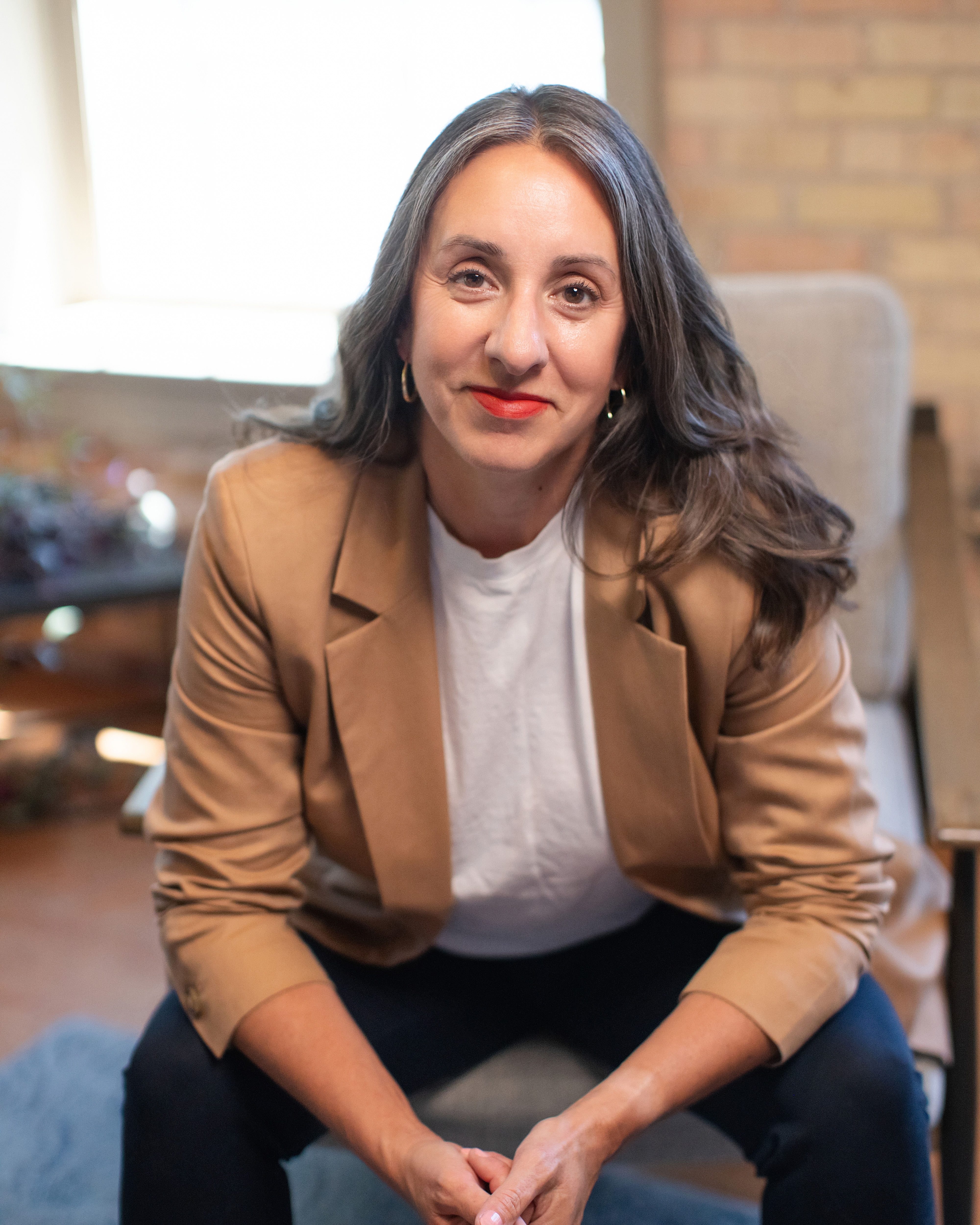
Lee Snodgrass
State representative
 Democrat
 Appleton


Elected Experience
Wisconsin State Assembly (2021-present)
Q&A with the Candidate
Why should voters elect you?
I’m a proven champion for my district and the Fox Cities. In my 5+ years in office I’ve gained the knowledge and built relationships with legislators on both sides of the aisle to solve problems and advance legislative solutions to improve the lives of constituents. I’ve earned the respect of community leaders and stakeholders that enable me to easily connect folks to the resources they need. This job requires a hardworking, accessible individual who will go to the mat for the people they represent. It requires nuance, compromise and the skill to navigate spaces where there are not always shared views. I’m adept and having these conversations and finding places of shared agreement where we can move forward on behalf of the people I represent.
What is the top issue in your district? How would you address it?
The top issue is affordability. Whether it is the cost of gas, groceries, health care, child care, or housing, people are struggling. I’m a working class representative who holds two part time jobs in addition to my legislative job so I understand and have been part of authoring legislative solutions to help families reduce household expenses. From covering costs of prescription medications, raising the state minimum wage, prpviding paid family leave, providing free school lunches, eliminating sales taxes on period products, reducing costs for renters, and state funding for public schools to keep property taxes in check, I will continue to work with my colleagues on ways the state can do its part to reduce costs and ensure all households can better make ends meet.
How should Wisconsin government operate differently than in the past?
The biggest complaint voters have about government is how divided and contentious it has become. If we can agree on the problems, we should be able to work together in good faith on solutions, no matter the political affiliation. I have been recognized for my bipartisan efforts and have authored several bills with Republicans. This should not be unusual. It should be the norm. We need to focus on our common love for Wisconsin and the people who call it home instead of fighting amongst ourselves.
What is your favorite fun Wisconsin history fact?
Wisconsin as the "laboratory of democracy." I love that our state has historically led on equal rights and progressive policy. From the 1911 passage of the first workers compensation law to 1919 when we became the first state to ratify the 19th Amendment giving women the right to vote, Wisconsin has led. Unemployment compensation benefits,being the first to recognize collective bargaining rights for public employees, and our leadership on conservation and environmental policies, through the work of Gaylord Nelson are a few favorite facts of WI on the leading edge!

NEW News Lab general election questions
Relevant Experience
I’ve served as a state representative for three terms in two different districts here in the Fox Cities. Prior to my legislative experience, I spent 30 years as a communications professional in the public, private and nonprofit business sectors. My professional career included work in the paper industry and as the communications director at the Girl Scouts of the Northwestern Great Lakes Council. I serve on the Outagamie County Aging and Long Term Support Advisory Committee and am a board member for Wisconsin Women in Government and the Respite Care Association of Wisconsin.
Wisconsin has a large budget surplus. What should lawmakers prioritize: tax cuts, increased spending on public services, or something else?
The surplus is one time money – not ongoing funding. Next session we’re looking at considerable instability in federal funding for everything from health insurance, housing and food share making it likely we will need to fill several holes to ensure basic needs are met. I’d focus on ensuring expenses are reduced and basic needs can be met. We must also keep some surplus for the rainy day fund. We saw the importance of emergency funding during the pandemic and we’ve seen how federal funding and natural disasters are unpredictable. The state needs to be responsive to meet the unexpected.
What policies are most important to address Wisconsinites’ concerns about cost of living?
Reducing costs of health care, housing, property taxes and childcare will have a sustaining impact on household budgets. Our Rx for Less bill to reduce costs of prescription drugs and BadgerCare Public Option would allow more households and businesses to purchase insurance from the state for affordable rates. Maintaining a state investment in child care also means providers can give higher wages to their employees and better meet expenses without tuition hikes to families. Funding our public schools will help prevent referendums to raise property taxes and funding for WHEDA and Housing Cost Reduction Initiative will help tackle housing costs.
Housing costs have risen in many Wisconsin communities. What role should state government play in creating more affordable housing?
We can do more to make housing costs more affordable. I support expanding the eligibility for the Homestead Tax Credit benefiting low and fixed income homeowners and renters. As inflation has increased, this tax credit has failed to keep pace. In fact, the credit hasn't increased since 2010, while the cost of living has increased nearly 45% since then. I also supported LRB 4169 creating a housing assistance fund for first-time homebuyers who make under 100% area median income. It would assist new homeowners with the costs associated with purchasing a home, including closing costs, down payments and mortgage insurance.
What policies would best address Wisconsinites’ concerns about property taxes?
I supported the governor’s proposed property tax relief measures by making meaningful investments in Wisconsin’s K-12 schools to reduce the need for school referendums and directing property tax credits to taxpayers through the school levy tax credit. His proposal to provide more than $1 billion in aid to local governments that agree to freeze property taxes and increase property tax relief programs under the individual income tax for veterans, seniors, individuals with disabilities and others struggling to afford the property taxes on their homes would have helped address the issue.
Funding of public education has been an issue and has been tied to property taxes for years. Schools often rely on local referendums for funding staffing, programs and maintenance. What specific changes would you support to the state’s school funding formula and how would you pay for them?
In 2017, the Blue Ribbon Commission on Public Education made bipartisan recommendations for fixing the state’s public education funding formula and in the 10 years since, under Republican majority, they’ve been ignored. Among the recommendations are: provide property tax relief using existing surplus funds to increase general school aid and special education reimbursement rates to 60%; allow increases in the per pupil adjustment under revenue limits; modify the disbursement schedule for equalization aid; and provide future increases in state support through the general school aid formula rather than through school levy tax credit.
Should the state direct more funding toward voucher and school-choice programs and what evidence supports your position?
Approximately $9 million in taxpayer money is diverted from the Appleton Area School District for the private school voucher program while community schools and their students are suffering. Private voucher schools lack accountability and transparency, do not answer to publicly elected school boards and are exempt from many public transparency and open records laws. And worst of all, unlike public schools, which must accept all students, private voucher schools can restrict admissions, refuse students with special needs and even bypass certain anti-discrimination protections due to their status as a private business, while still taking public tax money.
What steps can the Legislature take to alleviate court backlogs and address the need for more judges, prosecutors and public defenders?
The bipartisan Justice For All bill passed the Assembly with my support. This bill never got a vote in the Senate and therefore went nowhere. It would have provided public defenders with an additional 18 attorney positions and 35 support staff positions in the next budget biennium, 69 assistant DAs and funding for several more circuit court judges helping to address the backlog. Overall this bill would have taken positive steps to prevent long periods of incarceration while awaiting their due process. I also supported pay raises for prosecutors and public defenders.
How do you feel about the number of prisons in Wisconsin - should there be more? Less? Why?
Wisconsin’s incarceration rates exceed those of entire nations. Wisconsin incarcerates women at a higher rate than nearly every other country, and Wisconsin incarcerates Black individuals at among the highest rates in the country. If we invested more in proven preventive measures addressing the root causes of poverty, mental health disorders, childhood trauma and drug and alcohol addiction, we would not need so many prisons. We need to address systemic biases and focus on treatment and diversion and other measures of transformative justice. We need to legalize and decriminalize marijuana, grant medical parole and revisit discretionary parole for low level, non-violent offenders.
How significant an issue is climate change? What would you advocate for related to climate change if elected?
We need only look at the devastating Fox Cities tornado and spring flooding to see localized impacts of climate change. Democrats introduced the Forward on Climate Package, which included resistance in climate resiliency, complete streets to integrate bike and pedestrian infrastructure, green job pathways, clean energy transition and pathways to community solar. We can encourage low-carbon public transit and provide some state funds for home energy upgrades, funding for weatherization or other energy updates in public buildings and schools. Investing in biodigesters and encouraging alternatives to reliance on fossil fuels is also part of the strategy to address this crisis.
Wisconsin’s bipartisan support for a PFAS law to hold polluters accountable and the state's lower maximum contaminant levels for drinking water put it out in front nationally on forever-chemical protections. Some say the best way to prevent PFAS contaminations is to outlaw their use, while others hope to reverse the regulations. How important is this issue? What still needs to be addressed? How should remediation costs be raised?
PFAS are a persistent threat to the environment and our bodies. It’s estimated that 98% of the population have PFAS present in their bodies. The bipartisan compromise bill was an important step, but we must do more to prevent further impacts of this significant health risk. We could set discharge limits of industrial releases of PFAS, prohibit unsafe incineration of PFAS wastes and require comprehensive PFAS health testing to begin with. It makes sense to ban non-essential uses of PFAS like those found in food packaging and to encourage use of firefighting foam alternatives such as soy suppressants.
What do you think of the implementation process for the new Medicaid work requirements so far in Wisconsin? What has worked? What could be improved?
63,000 low income Wisconsinites could lose BadgerCare Plus under the new requirements. It is problematic tying essential health care coverage for our Medicaid population to their ability to work, as thousands of Medicaid recipients have true barriers to employment. The significant administrative burden to navigate new reporting and verification requirements will be a struggle. Continually proving medical conditions to receive exemptions will be burdensome and demoralizing, potentially leaving chronically ill folks without coverage. Enrollee fraud is significantly rare. This is federal red tape aimed at kicking those who are poor and in poor health off of health care.
What do you think about funding the 988 crisis line long-term at the state level?
Like 911, 988 is a life-saving service and a reoccurring state budget appropriation is needed, especially with federal funding cut. The governor’s budget recommended $12.2 million for the lifeline, but the Republican-controlled Joint Finance Committee only approved $7 million. Data clearly shows a local, warm line provides much needed support for those experiencing mental health crises. Family Services of Northeast Wisconsin runs 988 for the entire state and they’ve seen the needs grow. Funding is needed to recruit additional counselors to ensure callers are not waiting and are able to speak with someone familiar with local resources.