
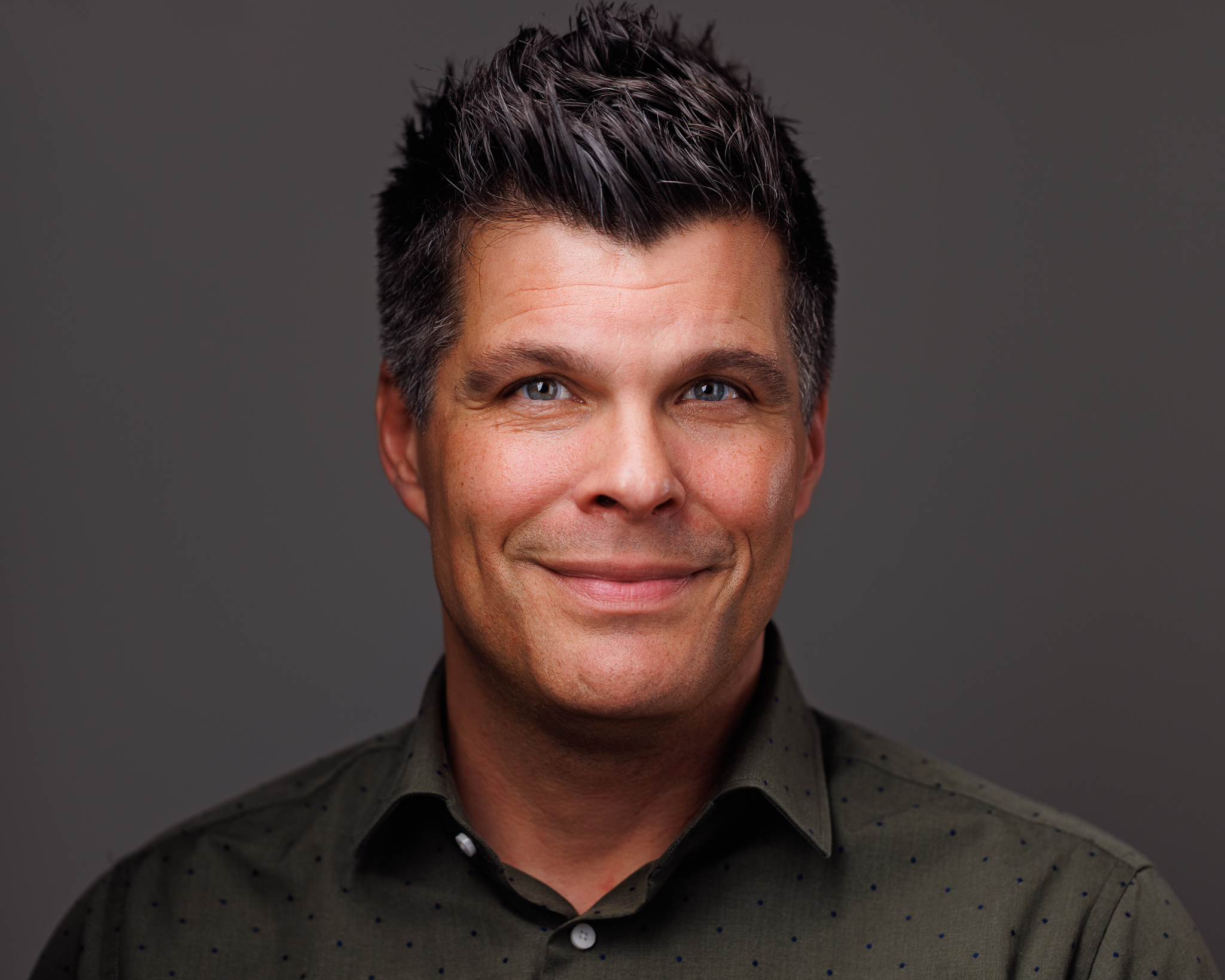
Matthew Arndt
Tax accounting and finance business owner
 Mequon

Elected Experience
None
Q&A with the Candidate
Why should voters send you to congress?
Voters should send me to Congress because I don't owe my career to either political party, corporate PACs, billionaire donors, or foreign interests. I'm running because I believe the American people deserve representatives who answer to them and only them. If voters are looking for another politician who will repeat talking points, they have plenty of options. If they're looking for someone willing to speak honestly, challenge powerful interests, and fight for ordinary Americans, then I ask for their vote.
What is the top issue in your district? How would you address it?
The top issue facing Wisconsin's 6th Congressional District is the rising cost of living. Families are paying more for housing, healthcare, childcare, groceries, and education while wages struggle to keep pace. Many people work harder than ever but feel like they're falling behind. I’d address this by focusing on policies strengthening the economic position of working people. That includes protecting workers' rights to organize, enforcing antitrust laws against monopolies driving up prices, supporting small businesses and family farms, investing in infrastructure and manufacturing, and reducing healthcare costs. I believe Congress should measure policies by one standard: Does it improve the lives of ordinary Americans? If elected, my priority will be building an economy that serves working families rather than concentrated wealth and powerful special interests.
What expertise would you bring into congress? How would it help your district?
I would bring real-world expertise in taxation, small business, investing, and financial planning. As a CPA, business owner, and investment advisor, I work directly with families, retirees, farmers, workers, and entrepreneurs. I see firsthand how government policies affect people's daily lives, from healthcare costs and taxes to inflation and retirement security. Too many members of Congress come from political or legal backgrounds and have never operated a business, met payroll, or helped families navigate financial challenges. My experience allows me to evaluate legislation based on its real economic impact rather than partisan talking points. That perspective would help Wisconsin's 6th District by ensuring that federal policies support working families, small businesses, and local communities instead of primarily benefiting large corporations and special interests.
Should Congress exert more oversight over the president? Why or why not?
Yes. Congress should exercise stronger oversight over the president regardless of which party controls the White House. The Constitution created three co-equal branches of government, not an elected monarchy. Congress has a responsibility to review executive actions, investigate waste, fraud, and abuse, ensure laws are faithfully executed, and protect the constitutional rights of the American people. Unfortunately, too many members of Congress abandon oversight when their own party holds power and suddenly rediscover it when the other party wins. That is not how our system is supposed to work. I will support consistent, principled oversight of any administration. Government accountability should never be partisan. It is one of Congress' most important responsibilities and essential to maintaining a healthy constitutional republic.
What is your favorite fun Wisconsin history fact?
One of my favorite Wisconsin history facts is that the state was once home to the world's largest brewery. For many years, Milwaukee was known as the beer capital of America, with breweries like Pabst Brewing Company, Schlitz, and Miller Brewing Company helping put Wisconsin on the map. What I enjoy most about that history isn't the beer itself— it's what it says about Wisconsin. Generations of immigrants came here, built businesses, created jobs, and helped shape thriving communities. That entrepreneurial spirit, strong work ethic, and sense of community are still part of Wisconsin's identity today. It's a fun reminder that Wisconsin has always been a place where people build things and contribute to something larger than themselves.

NEW News Lab general election questions
Relevant Experience
My experience comes from the real economy, not from a career in politics. I’m a CPA, CFA, and business owner who runs both an accounting firm and an investment advisory firm. Every day I work with families, workers, retirees and small businesses dealing with the consequences of decisions made in Washington. I understand taxation, financial markets, business, budgets and how government policy affects people on the ground. I’ve built businesses, managed employees, served clients and been accountable for my decisions. Congress needs fewer career politicians and more citizens with real-world experience who understand how the economy actually works.
Would you agree to hold in-person town halls if elected? Why or why not?
Yes, absolutely. If elected, I will hold regular in-person town halls throughout the district. Representing people requires actually meeting with them, listening to them, and answering their questions — even when those questions are difficult or we disagree. Members of Congress should never become inaccessible to the people they work for. I want constituents to know where I stand, challenge me when they think I’m wrong and hold me accountable for my votes. Public service should mean being present, accessible and answerable to the people you represent.
What policies are most important to address Americans' concerns about cost of living?
Breaking up monopolies and restoring competition is one of the most important things we can do to lower the cost of living. Too many industries, from food and housing to banking, health care and agriculture, are dominated by a handful of enormous corporations with the power to raise prices, suppress wages and squeeze small businesses and farmers. I would aggressively enforce antitrust laws, stop anti-competitive mergers and prevent private equity from extracting wealth from essential industries. We need to attack the concentrated economic power that allows corporations to keep raising prices.
What changes, if any, should Congress make to federal tax policy?
Congress should fundamentally shift the tax burden away from workers and toward extreme wealth, monopoly profits and economic rent. We tax people for working while giving preferential treatment to income earned by hedge fund and private equity managers who often extract wealth rather than create it. I would close the carried-interest loophole, tax investment income more consistently with labor income and impose higher taxes on excessive corporate and financial-sector profits. At the same time, I would reduce taxes on working- and middle-class Americans. Our tax code should reward work, productive investment and small businesses — not speculation, monopoly power and rent-seeking.
What should Congress do to prepare workers and the economy for changes due to artificial intelligence and automation?
I would freeze construction of new AI data centers until Congress establishes rules protecting American workers and communities. Technology should serve people, not make millions of Americans economically disposable. No technology is worth massive job losses, devastated communities or the civil unrest that widespread unemployment could create. Before allowing AI to radically transform our economy, we need to understand its consequences and ensure workers share in its benefits. If automation increases productivity, those gains should produce higher wages, shorter workweeks and greater prosperity for working Americans — not simply greater profits and power for a handful of enormous technology companies.
What actions would you take, if any, regarding the reduction in federal funding for special education, school meals and Head Start?
This is where Congress needs to get its priorities straight. I would restore and strengthen funding for special education, school meals and Head Start. These programs are relatively small investments that can pay enormous dividends over a lifetime. Providing children with adequate nutrition, early education and the support they need to succeed improves educational outcomes, strengthens our workforce and can reduce much larger social costs later. Cutting these programs to save money is penny-wise and pound-foolish. If Congress can find hundreds of billions for wars, corporate subsidies and tax breaks, we can afford to invest in America's children.
What steps can Congress take to alleviate court backlogs in Wisconsin?
Wisconsin's state court system is primarily a state responsibility, so Congress should be careful not to pretend it can solve every problem from Washington. However, Congress can help by adequately funding the federal judiciary, filling federal judicial vacancies promptly and supporting grants that help state and local courts modernize technology and improve case management. We should also examine whether unnecessary federal criminalization contributes to overloaded courts and correctional systems. Ultimately, reducing backlogs requires adequate staffing, competent administration and resources. I support federal assistance where appropriate, but Wisconsin should retain control over the operation of its own courts.
What federal policies would you prioritize to help address concerns about drug trafficking, overdoses and strains on local law enforcement?
Start by not pardoning major drug traffickers. Donald Trump pardoned former Honduran President Juan Orlando Hernández, who was convicted for his role in trafficking more than 400 tons of cocaine into the United States. We cannot demand tough drug enforcement while giving clemency to people responsible for trafficking drugs on an enormous scale. Congress should focus resources on major trafficking organizations, money laundering and the financial networks behind the drug trade. At home, we need greater investment in addiction treatment, recovery and overdose prevention, while ensuring local law enforcement has the resources to pursue serious threats to public safety.
How significant an issue is climate change? What would you advocate for related to climate change if elected?
Climate change is one of the greatest threats facing human civilization; the only greater threat is nuclear war. Treat it with the urgency it demands. We should consider all viable options, including nuclear power, renewable energy, energy efficiency, storage and major investments in our electrical grid. Congress should end subsidies that encourage unnecessary fossil-fuel dependence and invest aggressively in clean energy research and infrastructure. I also believe environmental policy must protect working people. The transition cannot be financed on their backs. We can reduce emissions, create good-paying jobs, strengthen American energy independence and leave a livable planet to future generations.
Wisconsin’s bipartisan support for a PFAS law to hold polluters accountable and the state's lower maximum contaminant levels for drinking water put it out in front nationally on forever-chemical protections. Some say the best way to prevent PFAS contaminations is to outlaw their use, while others hope to reverse the regulations. How important is this issue? What still needs to be addressed? How should remediation costs be raised?
PFAS contamination is a serious public health and environmental issue, and the corporations responsible should pay to clean it up — not taxpayers. Congress should phase out PFAS uses, establish strong drinking water standards and require manufacturers and polluters to finance remediation. We also need real accountability. When corporate executives knowingly conceal contamination, falsify information or illegally release toxic chemicals, criminal prosecution and prison time should be on the table. Corporate status cannot provide immunity from criminal law. If an individual knowingly poisons a community, we prosecute them. Executives who allow corporations to contaminate drinking water should face serious personal consequences.
Non-citizen immigrants make up a significant portion of the home health and nursing home workforce. What do you think about federal immigration policy, especially as it relates to the immigrant workforce among Wisconsin’s home health aides and nursing home staff?
Both parties created this immigration mess, and neither can fix it. I would shift enforcement toward employers who knowingly hire unauthorized workers. Companies should not be allowed to violate immigration law to obtain cheaper labor, suppress wages or gain an advantage over businesses that follow the rules. That is unfair to American workers, legal immigrants and responsible employers alike. Congress should require reliable employment verification and impose serious penalties on employers who knowingly and repeatedly break the law. Immigration enforcement cannot focus only on workers while ignoring the businesses creating the demand for illegal employment in the first place.