
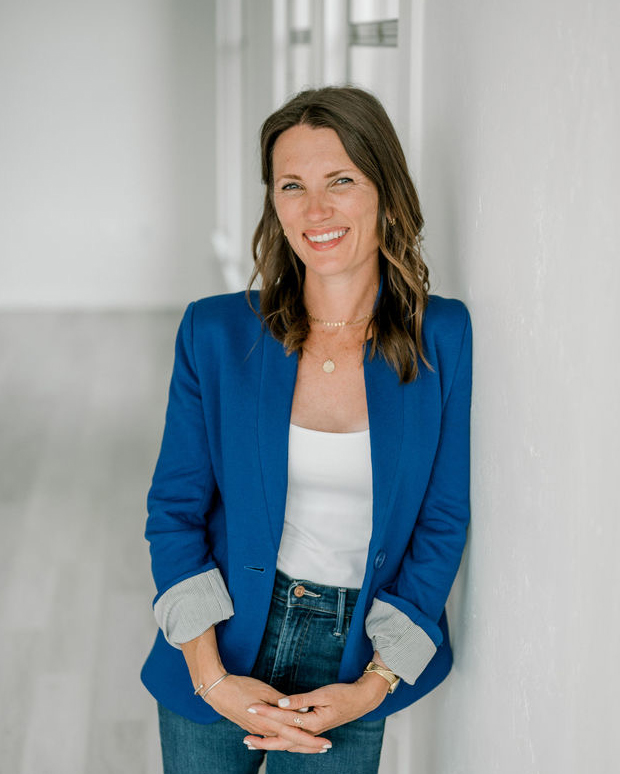
Emily Daniels Tseffos
NA
 Democrat
 Appleton



Elected Experience
None
Q&A with the Candidate
Why should voters elect you?
Too many working people are doing everything right and still falling behind — and we're being told to fight amongst ourselves as wealth disparity continues to balloon in this country. As a mom, educator, organizer, and lifelong Wisconsinite, I've spent years helping people navigate challenges with schools, healthcare, disability services, and government programs. I've seen firsthand where our systems work and where they fail. I'm running to be a problem-solver, not a politician. I believe that at its best, government should help the most people it can. We can make life more affordable, strengthen public schools, protect healthcare, support farmers and small businesses, and ensure every community has a voice in Madison. I'd like to be that kind of leader for state Senate District 19.
What is the top issue in your district? How would you address it?
The top issue around here is affordability. Working people are paying more for groceries, housing, healthcare, childcare, and utility bills while the wealthiest corporations and special interests continue to gain influence over our politics. Too many neighbors are working hard and falling further behind. I'll fight to lower everyday costs by treating problems at the root. I'd work to expand access to affordable healthcare, invest in childcare, fully fund public schools, supporting family farms and small businesses, and reform our tax structure so that it benefits working people instead of just those at the top. Wisconsin's economy should work for the people who do the work and elected officials ought to fight for them in Madison.
How should Wisconsin government operate differently than in the past?
I think more important than anything else, we need to stop being blindly allegiant to a party or politician. I'd like to see our state legislature work together to get something done for the people of Wisconsin through rational, factual dialogue and compromise. I'd also like to see our legislative leadership refrain from engaging in cultural wars and proliferating misinformation.
What is your favorite fun Wisconsin history fact?
Wisconsin was the first state to ratify the 19th Amendment, giving women the right to vote!

NEW News Lab general election questions
Relevant Experience
After leaving full-time teaching in 2015, I became actively involved in community organizing and public policy advocacy. I have worked alongside community members to strengthen public schools, protect access to affordable health care, support Child Care Counts to help to keep child care centers open and affordable, and advocate for local governments so they have the resources necessary to provide essential services and keep communities safe. My work as an educator and organizer has always been centered on listening to families and local leaders, understanding the challenges they face, getting loud about those issues and working collaboratively toward practical solutions.
Wisconsin has a large budget surplus. What should lawmakers prioritize: tax cuts, increased spending on public services, or something else?
Wisconsin should use its surplus for targeted tax relief and investments that lower costs long-term. That means funding public schools and special education, strengthening rural health care and EMS, addressing child care costs and helping local governments provide essential services without relying so heavily on property taxpayers. I support tax relief that meaningfully helps working and middle-class families, but one-time checks don’t address why health care, child care, utilities and property taxes keep rising.
What policies are most important to address Wisconsinites’ concerns about cost of living?
People are working really hard and still watching more of their paychecks disappear into health care, child care, utilities, groceries, housing and property taxes. Your state senator should be focused on those kitchen table costs: lowering prescription drug and health care costs, making child care more affordable, adequately funding our public schools and local governments so costs aren’t continually pushed onto property taxpayers and holding utilities accountable. I’m also interested in where corporate consolidation is driving up costs. Wisconsin can make policy choices that make it easier for people to get ahead.
Housing costs have risen in many Wisconsin communities. What role should state government play in creating more affordable housing?
Right now, I hear from young families who can’t find a starter home, seniors who want to downsize but have nowhere affordable to go and employers struggling because workers can’t find housing nearby. The state can help communities build more housing, pay for needed infrastructure and fix up homes that already exist, especially in rural areas. We should do our best to remove barriers and help communities make room for growth across WIsconsin.
What policies would best address Wisconsinites’ concerns about property taxes?
I understand people are stressed by property taxes, but we need to talk honestly about what is driving those bills. For years, the state has underfunded schools and local services and has left communities to either cut services or ask property taxpayers for more. I would increase the state's investment for public schools, special education and essential local services, while reforming restrictive levy limits so communities aren’t forced to rely on constant growth just to keep up. I also support targeted property tax relief, particularly for working families, seniors and people on fixed incomes.
Funding of public education has been an issue and has been tied to property taxes for years. Schools often rely on local referendums for funding staffing, programs and maintenance. What specific changes would you support to the state’s school funding formula and how would you pay for them?
I support 60% sum-sufficient special education reimbursement, increased general aid and funding that better reflects rural and declining-enrollment districts. I would also reconsider corporate subsidies and tax breaks that aren’t delivering enough value for taxpayers. I believe in incentivizing businesses and economic growth, but taxpayers should expect a return on those investments, too. Investing in public schools reduces pressure on property taxpayers, strengthens our workforce and keeps communities viable. Government should provide essential services while ensuring our policies aren’t leaving families, small businesses and local communities behind.
Should the state direct more funding toward voucher and school-choice programs and what evidence supports your position?
I support parents choosing the school that works best for their children, but not expanding vouchers with additional taxpayer dollars. Wisconsin is funding two education systems with different rules while public schools rely on referendums for basic operations. I would prioritize public schools, including 60% special education reimbursement. If private schools receive public dollars, taxpayers should expect transparency, accountability and reporting requirements. This isn’t about criticizing families who choose private schools. It’s about using public dollars responsibly and ensuring every community has strong public schools available to every child.
What steps can the Legislature take to alleviate court backlogs and address the need for more judges, prosecutors and public defenders?
The Legislature should adequately fund prosecutors, public defenders, judges and court staff, particularly in counties struggling to recruit and retain them. We should review judicial staffing based on actual caseloads and add judges where the data pulled demonstrates a need. I support investments in treatment and diversion programs when appropriate, so courts and jails aren’t the default response to addiction or mental health crises. An effective justice system requires both accountability and due process. Underfunding either side ultimately costs taxpayers more and makes our communities less safe.
How do you feel about the number of prisons in Wisconsin - should there be more? Less? Why?
I don’t think the goal should be simply more or fewer prisons. The goal should be safer communities, accountability and a corrections system that actually works. People who pose a serious threat to others need to be incarcerated, but prison shouldn’t be our default response to addiction, mental illness or circumstances better addressed through treatment. Wisconsin should invest in adequate staffing and safe conditions in existing facilities and work on expanding evidence-based treatment and reentry programs that reduce repeat offenses. If we can reduce incarceration without compromising public safety, that is better for families, communities and taxpayers.
How significant an issue is climate change? What would you advocate for related to climate change if elected?
Climate change is real, and here in Senate District 19, extreme weather isn’t abstract. I helped organize cleanup after this summer’s tornado and filled sandbags when the Wolf River flooded last spring. I’ve seen what these events mean for families, farms, businesses and local governments. I support better flood mitigation, stronger stormwater infrastructure, conservation that protects farms and waterways and reliable, affordable cleaner energy. We also need strong emergency response funding so Wisconsin communities can recover quickly, especially as federal FEMA resources face cuts.
Wisconsin’s bipartisan support for a PFAS law to hold polluters accountable and the state's lower maximum contaminant levels for drinking water put it out in front nationally on forever-chemical protections. Some say the best way to prevent PFAS contaminations is to outlaw their use, while others hope to reverse the regulations. How important is this issue? What still needs to be addressed? How should remediation costs be raised?
This issue is critical, especially for Wisconsinites living with contamination. If a company profited from chemicals that polluted our water, families, farmers and local taxpayers shouldn’t be stuck with the cleanup bill. The polluter should pay. We need continued testing, help for communities facing contamination they didn’t cause and stronger prevention. I support holding responsible companies accountable for remediation costs while using state and federal resources when a responsible party can’t be identified.
What do you think of the implementation process for the new Medicaid work requirements so far in Wisconsin? What has worked? What could be improved?
Not all new Medicaid work requirements have taken effect, so it is too early to judge implementation. But I am concerned they will cause people to lose coverage. Wisconsin should make compliance simple, automate verification when possible, clearly explain exemptions and ensure eligible people don’t lose health care because of paperwork. We also need accountability across the entire system. Fraud and waste aren’t limited to individual recipients. Providers, insurers and others receiving Medicaid dollars should face meaningful oversight and consequences for fraud or overbilling. Scrutiny should apply to everyone receiving taxpayer dollars, not just families struggling to get by.
What do you think about funding the 988 crisis line long-term at the state level?
I support reliable long-term funding, strong connections to local services, and accountability to make sure those dollars are actually reaching people in their moment of crisis.